The Cacao Tree: The Magic Tree at the Origin of Chocolate
Share
Ivory Coast is world-renowned for the exceptional quality of its chocolate. But do you know the secret of this unique flavor? It lies in a magical tree: the cocoa tree. This tree, a true national treasure, is at the heart of Ivorian culture and economy. Let's dive together into the fascinating world of the cocoa tree and discover how it gives birth to the chocolate we love so much.
Origins and History of the Cocoa Tree
The cacao tree (Theobroma cacao) is native to South America, more precisely to the tropical forests of the Amazon basin. The first traces of its cultivation date back more than 3,000 years to the Olmec, Mayan and Aztec peoples. These civilizations considered cacao a gift from the gods and used it in religious rituals and important ceremonies.
In the 16th century, Spanish conquistadors discovered cocoa and introduced it to Europe. Chocolate quickly became a popular drink among European elites, then became more democratic over the centuries thanks to the industrialization of its production.
The Cocoa Tree in Ivory Coast: A National Heritage
Ivory Coast is the world's leading producer of cocoa, supplying nearly 40% of the world's production. The cocoa tree is grown in different regions of the country, particularly in the southwest, where the warm and humid climate is ideal for its growth.
Cocoa cultivation plays a vital role in the Ivorian economy, employing millions of people and generating significant export revenues. The Ivorian government has implemented programs to support cocoa producers and promote sustainable and environmentally friendly production.
Botany of the Cocoa Tree: From Flower to Pod
The cocoa tree is an evergreen tree that can reach 8 to 15 meters in height. Its flowers, small and white, grow directly on the trunk and branches. Pollination is ensured by tiny insects called midges.
After fertilization, the flowers turn into pods, large oval fruits containing the precious cocoa beans. The pods mature in 5 to 6 months and take on various colors (yellow, orange, red, purple).
There are several varieties of cocoa trees. The main ones are Criollo, Trinitario, Forastero.
Cocoa Cultivation: Ancestral Know-How
Cocoa cultivation requires patience and know-how. Planters select the best seeds, plant them in a nursery and then transplant them into the open field. Young cocoa trees are shaded by other trees to protect them from the sun.
Plantation maintenance includes regular pruning of trees, fertilizing the soil, and combating diseases and pests. The pods are harvested by hand, using machetes. The beans are then extracted from the pods and begin their long journey towards transformation into chocolate.
From Pod to Chocolate: The Magic of Transformation
Transforming cocoa beans into chocolate is a complex process that requires expertise and passion. The beans are first fermented in wooden crates and then dried in the sun. They are then roasted to develop their aromas, ground into cocoa paste, and then mixed with sugar and cocoa butter to create chocolate.
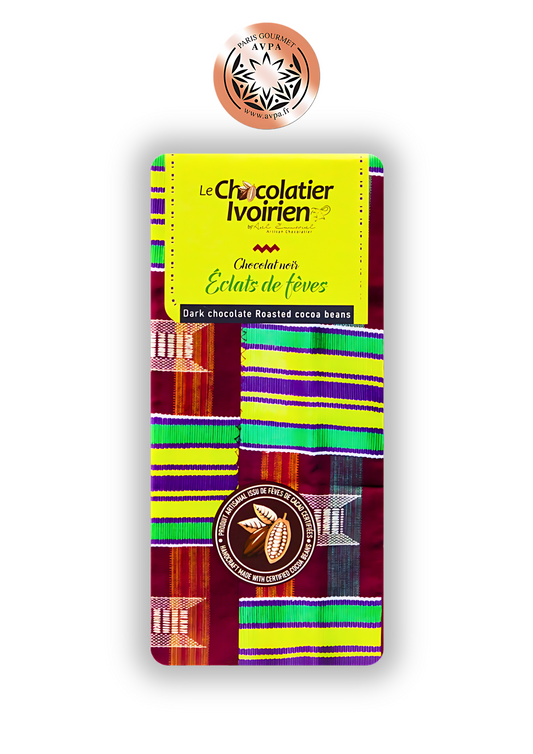
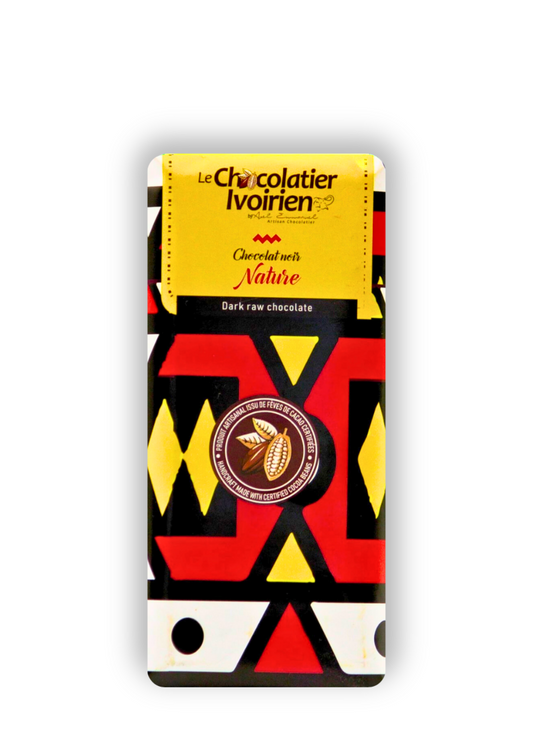
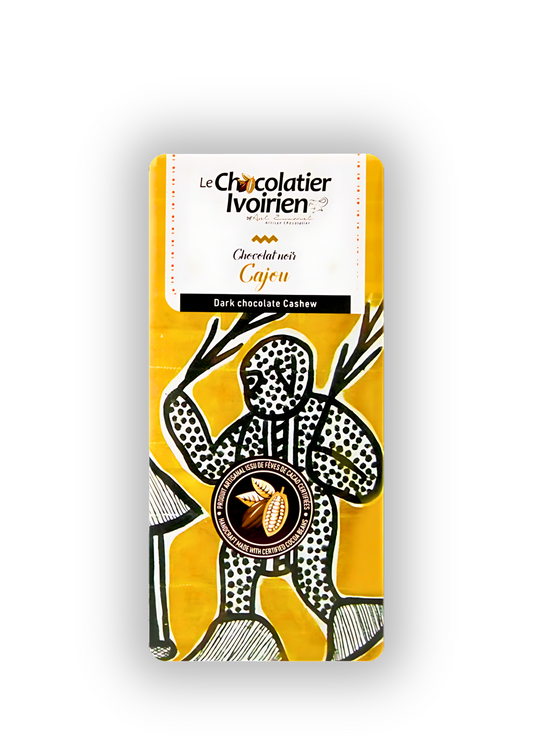
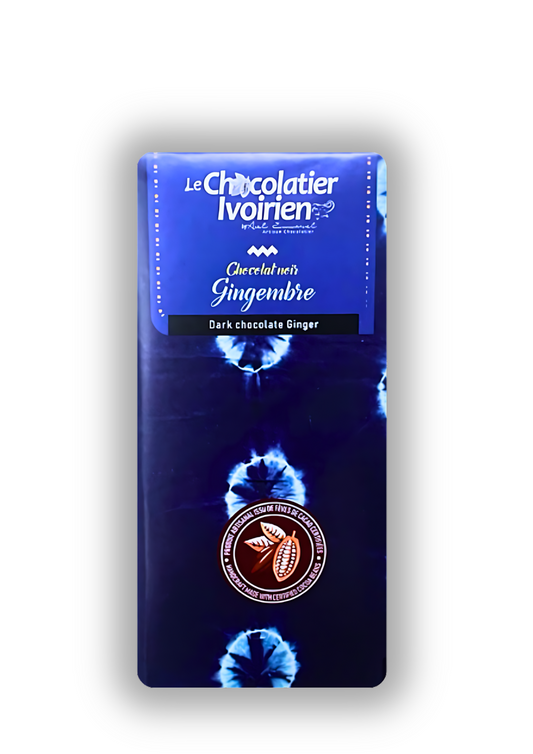
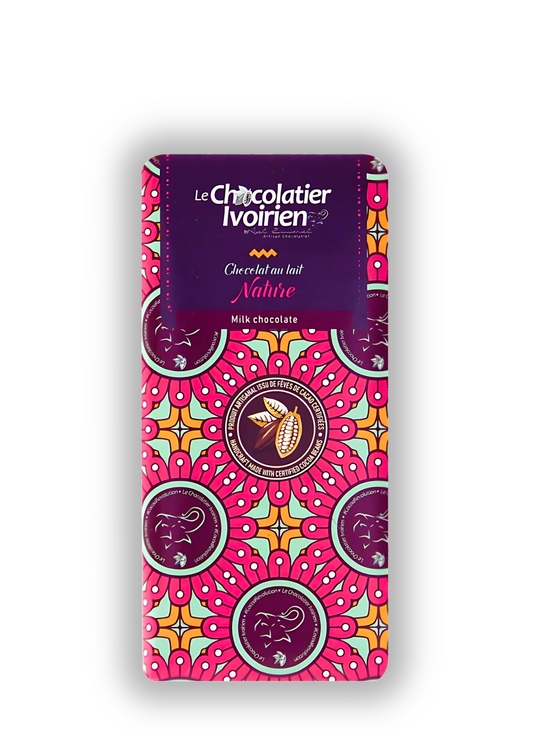
Axel Emmanuel Gbaou, creator of the brand Le chocolatier Ivoirien , is renowned for his artisanal know-how and his ability to create chocolates with unique and authentic flavors. He uses high-quality cocoa beans and masters the different stages of processing to offer exceptional products.
The Cocoa Tree: A Symbol of Ivorian Excellence
The cocoa tree is much more than just a tree in Côte d'Ivoire since 1888. It is a symbol of Ivorian excellence, passion and know-how. Ivorian chocolatiers are committed to preserving this heritage and promoting sustainable and fair cocoa production.
By tasting Le chocolatier Ivoirien , you are enjoying much more than just a treat.
You are tasting the history, culture and passion of an entire country. So, let yourself be seduced by the magic of the cocoa tree and discover the very essence of Ivorian chocolate.